Humane nuisance wildlife support
Wildlife removal in Columbia, SC.
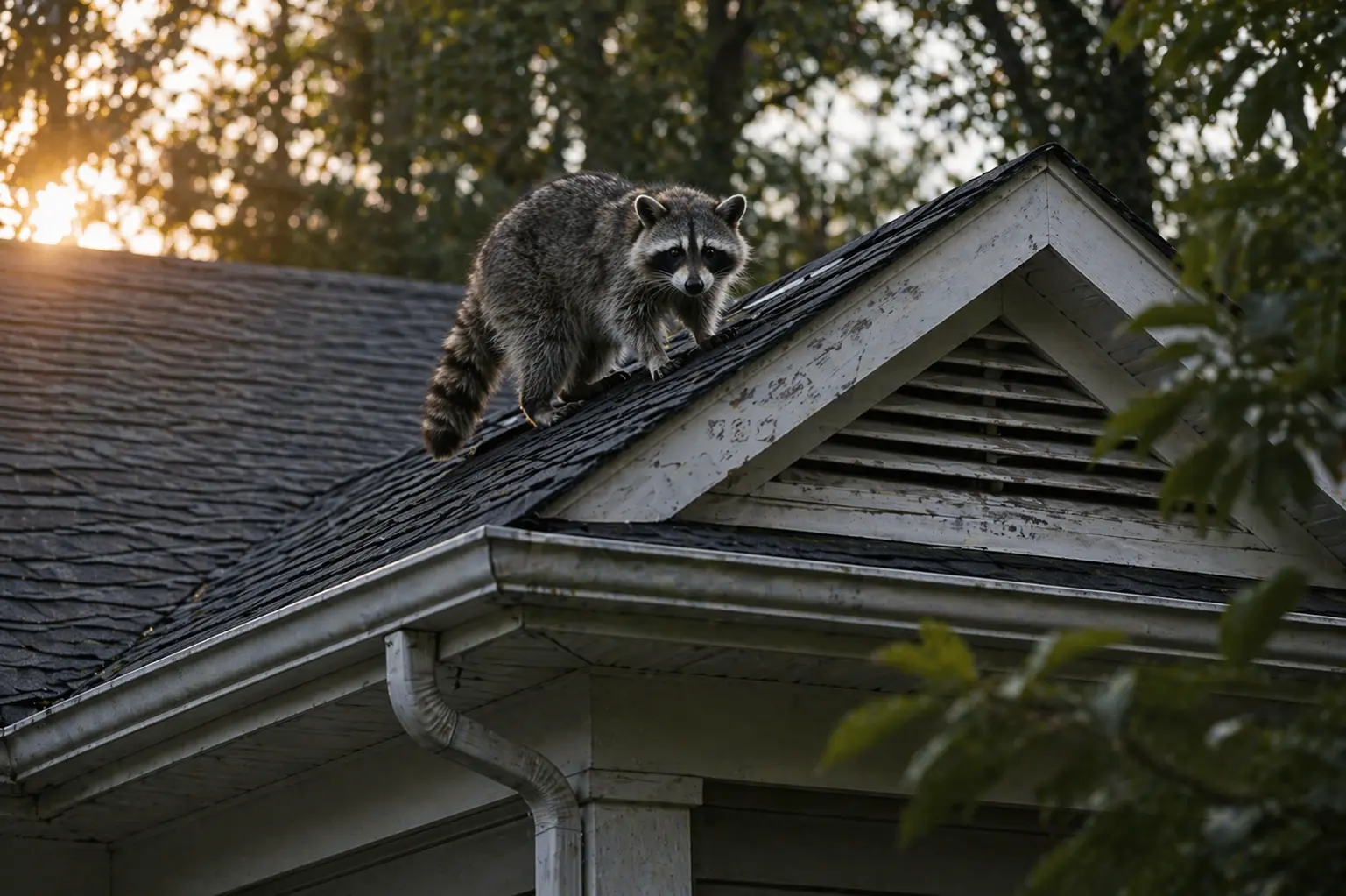
Wildlife removal in Columbia starts with identifying the animal, its entry points, and signs of repeated access. Raccoons, squirrels, and other animals can exploit roofline, soffit, vent, attic, crawl-space, and deck openings. Removal and prevention both matter.
Signs of entry
How wildlife removal in Columbia begins.
- Scratching, rolling, or movement in an attic or wall
- Damaged soffits, vents, fascia, screens, or roof edges
- Droppings, odors, nesting material, or disturbed insulation
- Animals repeatedly using the same roof or yard route
- Activity under decks, sheds, or crawl spaces
A complete response
Identify the animal and the access.
Natural Roots helps evaluate likely entry points, activity areas, damage, and prevention needs. Do not seal an opening until the situation is understood; trapping an animal—or dependent young—inside can make the problem worse.
Observe from a distance
Time, sound, and route help identify the visitor.
Record whether activity occurs in daylight, around dusk, or overnight; whether the sound is light scampering, gnawing, rolling, or heavier movement; and which roof or yard route the animal uses. Photograph visible damage from the ground rather than climbing to investigate an active opening.
Keep people and pets away from the animal and its waste. If wildlife is injured, trapped in a living space, behaving unusually, or presents an immediate safety concern, contact the appropriate local authority.
Removal is not the final step
Repair and attractant control reduce repeat entry.
Once the animal and any dependent young are safely accounted for, durable repairs may be needed at soffits, vents, fascia, roof returns, chimneys, crawl-space openings, or deck edges. The repair must preserve required ventilation and match the type of access; cosmetic foam alone is rarely a complete wildlife repair.
Secure trash and pet food, review bird feeding, trim safe-to-manage roof access, and recheck vulnerable areas after storms. Learn why attic sealing must follow inspection.
Columbia + the Midlands
Wooded neighborhoods and varied rooflines create access opportunities.
Mature trees, soffits, vents, chimneys, crawl spaces, decks, and storm-damaged edges can connect local wildlife with sheltered parts of a Midlands home. Identification, safe removal, and durable repair must be considered in the right order.
Related services
Protect the structure from other sources of activity.
Rodent Control
Address mice, rats, droppings, gnawing, scratching, and small structural openings.

General Pest Control
Review insect activity around the same moisture, shelter, and exterior access zones.
Termite Control
Inspect wood, foundations, crawl spaces, and conditions that can affect structural protection.
Wildlife questions
Keep distance and protect the structure.
What should I do if I hear attic scratching?
Note the time and location, avoid entering a confined space with the animal, and request an inspection promptly.
Can I seal the hole immediately?
Not until you know what is inside and whether dependent young are present. Premature sealing can trap animals and create odor or damage.
Why does wildlife keep returning?
Food, shelter, easy access, and unrepaired construction gaps can continue attracting animals after a single sighting.
Can Natural Roots help reduce repeat wildlife entry?
Natural Roots can identify likely access points and explain prevention or repair priorities after the animal and any dependent young are safely accounted for.
How service works
Inspect. Respond. Protect.
Every recommendation starts with evidence from the home and ends with clear next steps.
 01
01Inspect
Look for activity, access, moisture, shelter, and the conditions supporting the problem.
 02
02Respond
Match the service plan to the pest, wildlife issue, property, and level of activity.
03Protect
Explain follow-up and practical changes that can reduce repeat pressure.
Describe the activity
Share where and when you hear it.
Include the time of day, location in the structure, visible damage, odors, and any animal you have seen.